Experience Built Through Factory Work
I began working in foreign trade in 2006 and started my own sourcing business in 2010. Since then, my work has taken me into factories across China and across very different product categories. The photographs in this article are a selection from visits made between 2012 and 2024. They are not a complete record of every supplier visit, but they show the practical, on-site side of sourcing that cannot be learned from online listings alone.
A factory visit does not automatically prove that a supplier is suitable, and an informal visit should not be presented as a formal audit. What it can do is give the buyer a clearer view of the production environment, materials, equipment, product range, workflow and people behind a quotation. That information helps identify what still needs to be verified through documents, samples, production follow-up and inspection.
The most useful outcome is not simply a photograph at the factory entrance. It is a better set of questions, a more accurate comparison between suppliers and a clearer plan for controlling the order.
What I Look for Beyond a Quotation
Whether the supplier fits the product A company may offer a product without making every part of it itself. The important question is whether its actual capabilities and supply chain are suitable for the customer’s order.
Whether the specification is complete Prices cannot be compared fairly if suppliers are quoting different materials, dimensions, structures, accessories, quality levels or packing methods.
How the order will be controlled Samples, approvals, production updates, inspection points and shipment arrangements should be considered before problems appear.
How clearly the supplier communicates Fast replies are useful, but accurate and consistent communication is more important when technical details or customer-specific requirements are involved.
What still needs independent verification A visit provides context, but licences, certifications, test reports, capacity claims and order-specific quality still need appropriate verification.
Selected Factory Visits Across China
The visits below cover consumer products, packaging, automotive components, metal products, industrial machinery and other categories. Each project was different, but the underlying discipline remained the same: understand what the customer needs, confirm what the supplier is actually offering and define how the order will be followed through to shipment.
2012 Reading Pen Factory in Shenzhen
This visit was connected with reading pens, an educational electronic product. Products of this kind are a reminder that a simple product name is rarely enough for sourcing. The buyer and supplier still need to align the product version, functions, accessories, packaging and other order requirements before quotations can be compared properly.
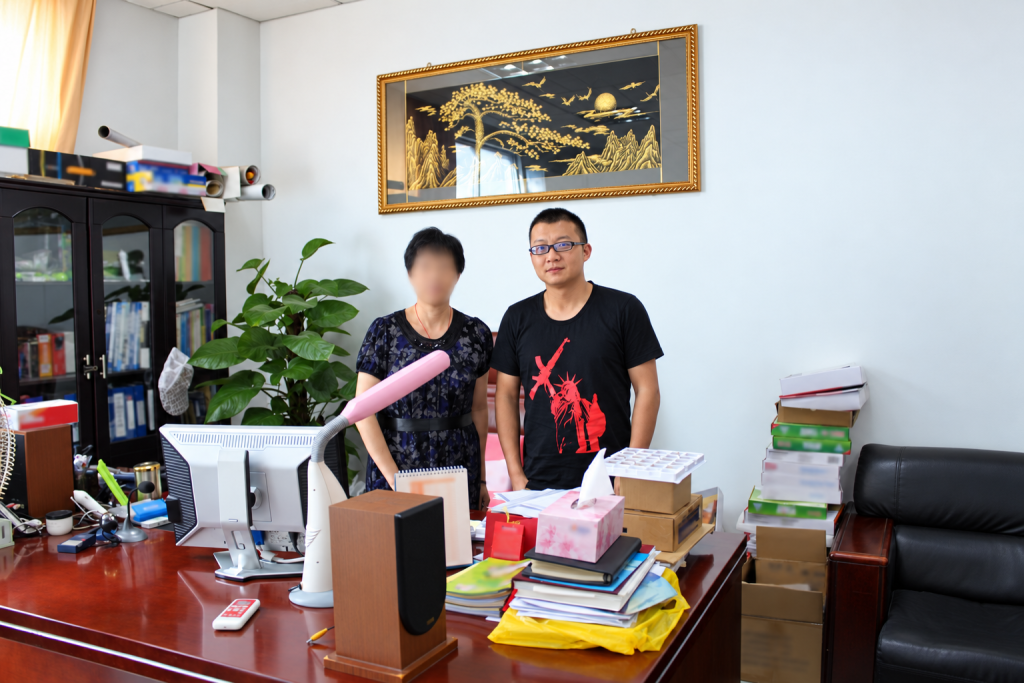
2013 Brake Pad Factory in Wuyi
Automotive components show why technical confirmation must come before price comparison. A quotation only becomes meaningful when the application, model, materials, dimensions and required documentation are clearly understood. For a sourcing agent, the first task is often to turn a broad enquiry into a specification that factories can quote against consistently.
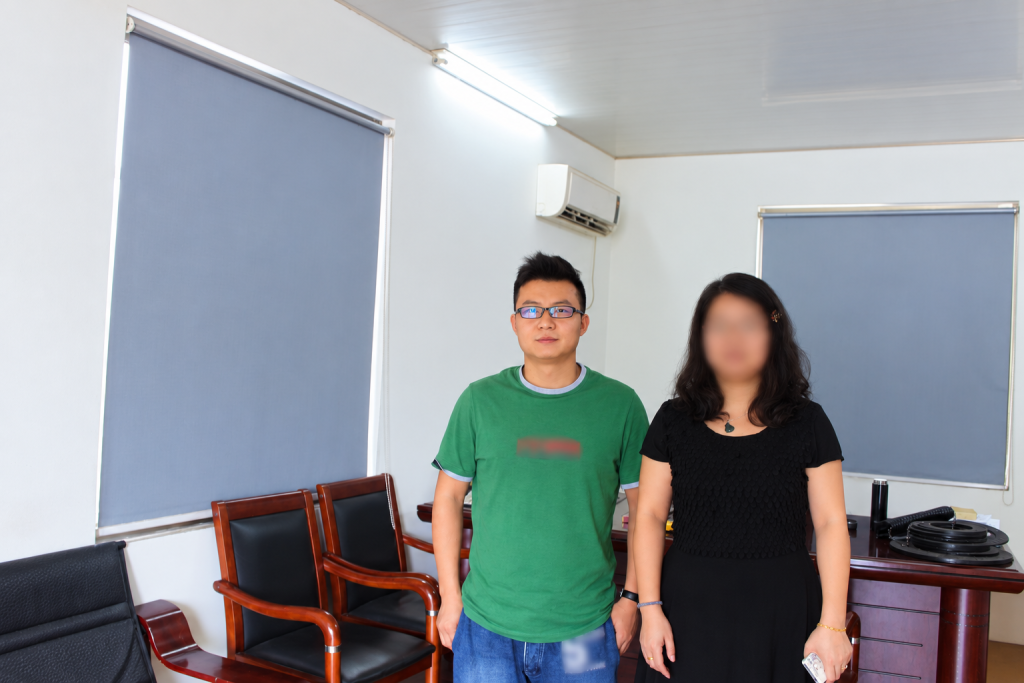
2014 Razor Wire Factory Visit
Razor wire is a specification-driven industrial product. Details such as the blade profile, supporting wire, sheet material, surface treatment, coil diameter, number of loops and connectors can change the product and the quotation. This type of project reinforced the importance of recording requirements line by line rather than relying on a reference photograph alone.
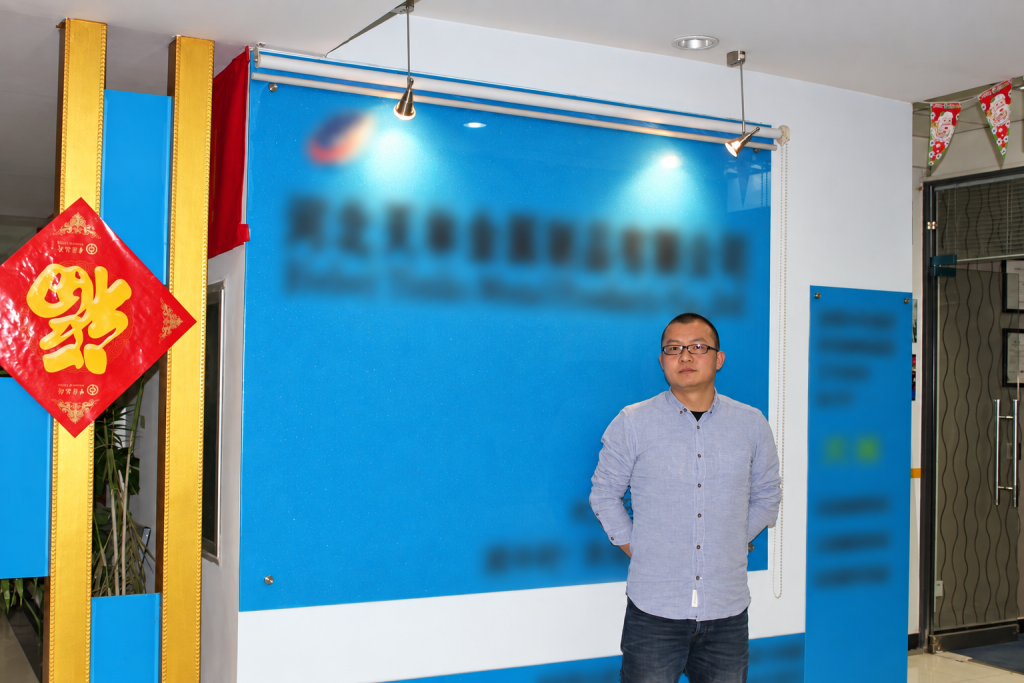
2015 Fence Factory in Hengshui
Fence products may appear straightforward in a catalogue, but commercial differences can be hidden in the wire, dimensions, welding, coating, posts, fittings and packing method. Seeing the products and production environment helps a buyer understand what needs to be confirmed before an order is placed and what should later be checked during inspection.

2016 Functional Netting Factory in Changzhou
The factory produced different kinds of functional netting, including anti-bird, windbreak, anti-hail, anti-animal, anti-insect, climbing, gardening, shade, warning and extruded nets. The wide range showed why the intended use must be understood first. Two products may both be called netting while differing substantially in construction, dimensions, performance and packing.
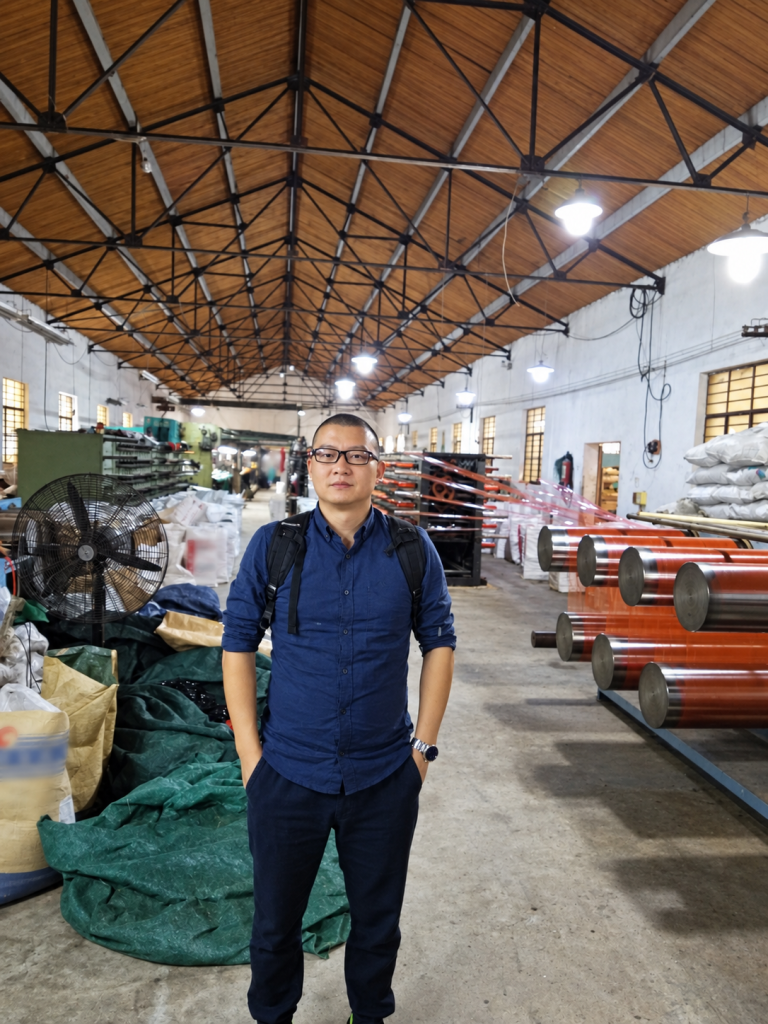
2017 Weed Mat Factory in Linyi
For rolled textile and plastic products such as weed mat, small specification differences can affect both cost and use. A buyer should confirm the intended application, material, finished dimensions, packing and any performance requirements before comparing suppliers. Factory visits also make it easier to understand how the product is produced, stored and prepared for shipment.
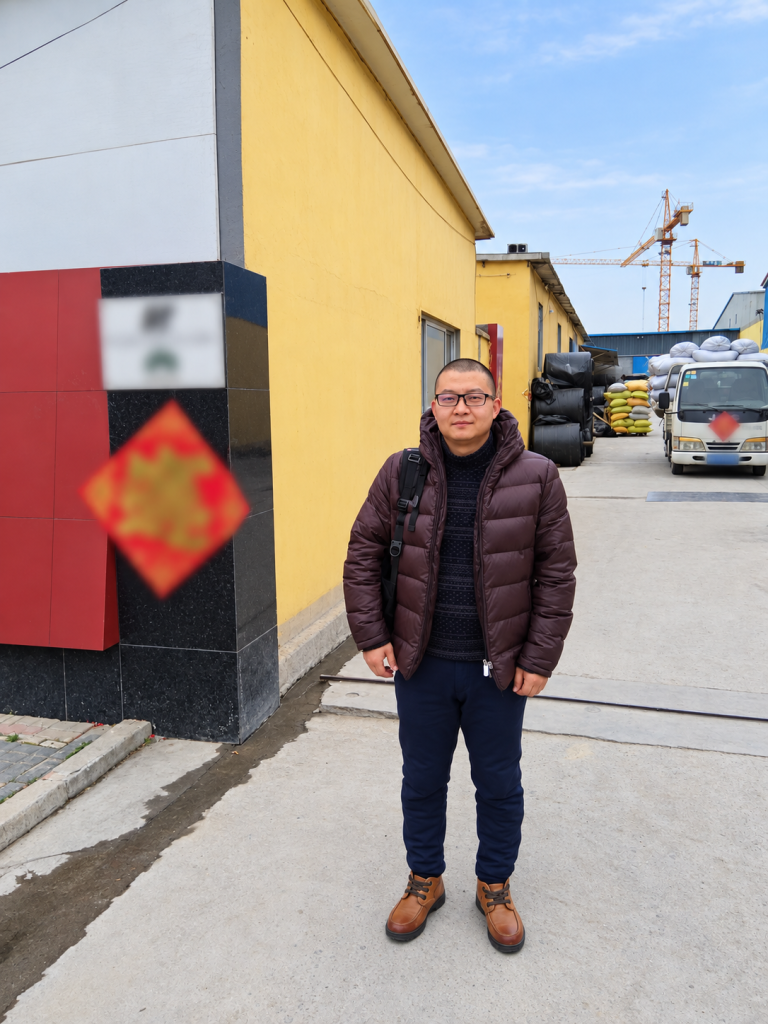
2018 Gift Bag and Greeting Card Factory in Guangzhou
Printed gift products combine material, colour, artwork, finishing and packing requirements. Samples and digital artwork are useful, but they do not replace clear approval points for production. During the same year, I also visited a factory in Changle Fujian producing cork-backed coasters, placemats and PLA trays, another example of how sourcing work moves between very different materials and manufacturing processes.
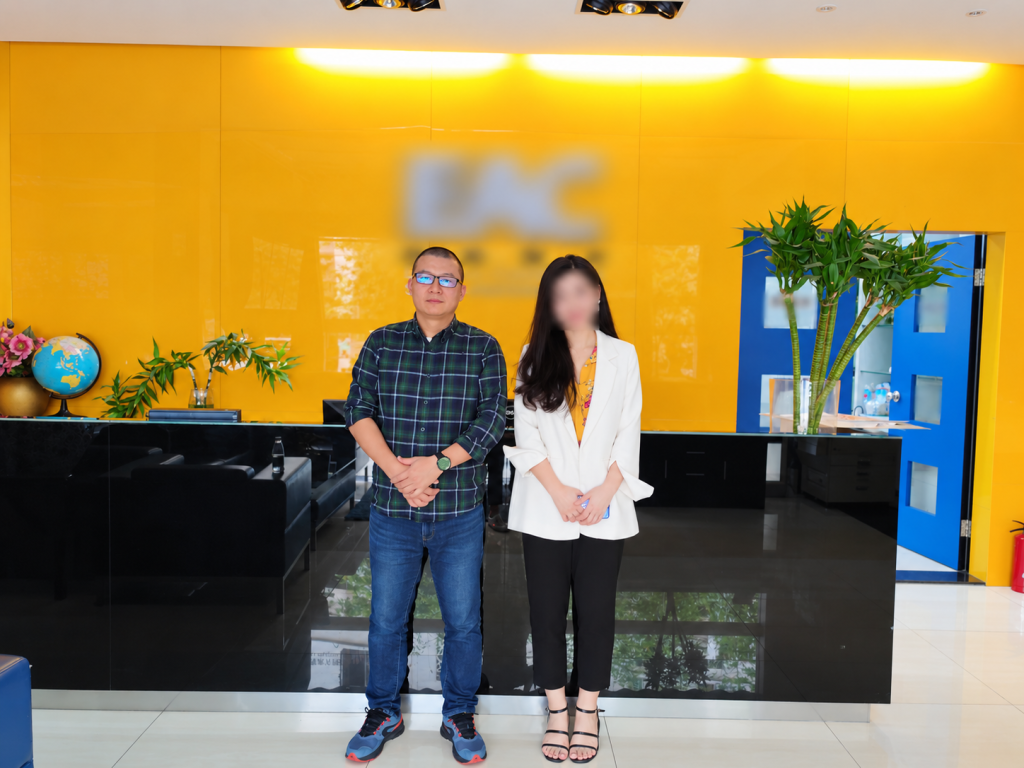
2019 Faucet Factory in Heshan
At this faucet factory, one of the points documented was the copper raw material used in production. The visit illustrates a broader sourcing lesson: products that look similar from the outside may be based on different material specifications and production choices. Those differences need to be confirmed before quotations are treated as comparable.
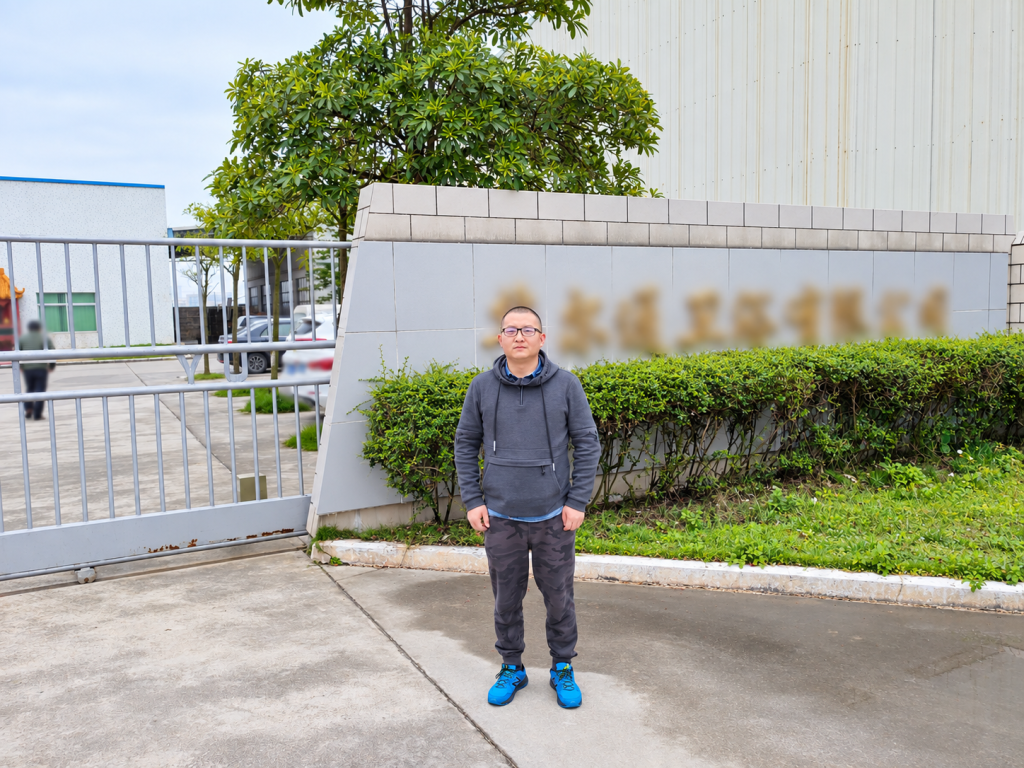
2020 Marker Pen Factory in Ningbo
A marker is made up of more than the visible outer shell. Product confirmation can involve the writing result, colour, ink, components, printing, assembly, accessories and retail packaging. The factory environment also helps explain which processes are performed on site and which points may require samples, production follow-up or inspection.
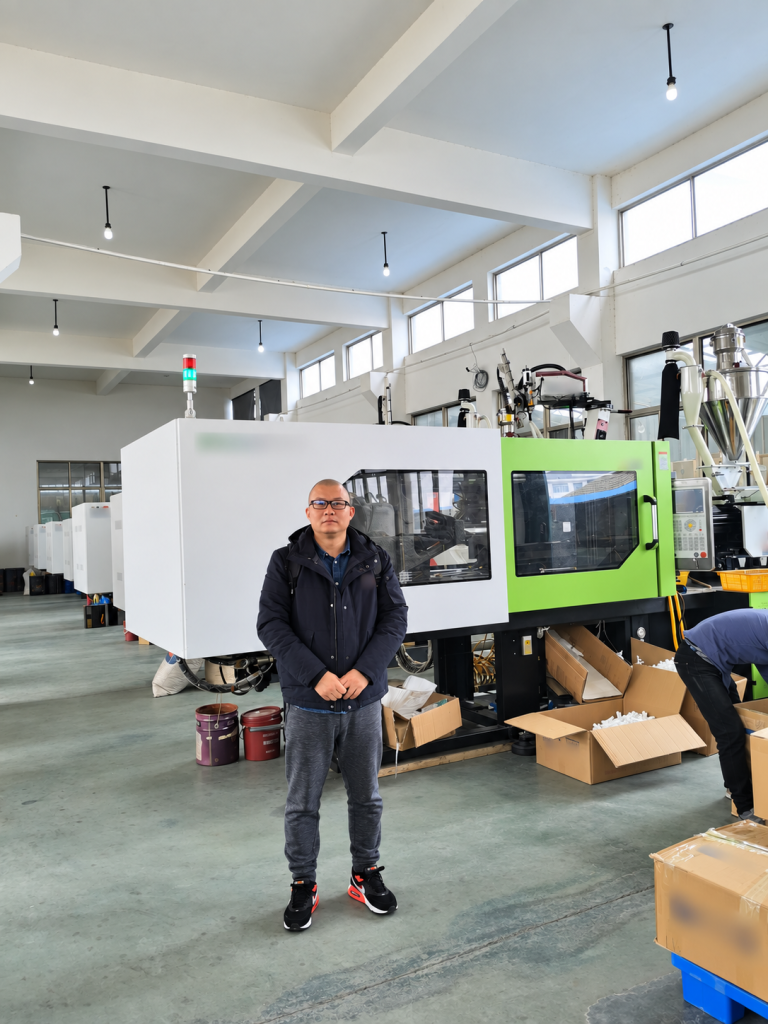
2021 Glass Bottle and Jar Factory in Xuzhou
Glass packaging projects require the container and its intended use to be discussed together. Capacity, dimensions, shape, finish, closures, decoration and transport packing all affect the final proposal. Fragile products also show why export packing and loading arrangements should be considered early rather than left until production has finished.

2022 Paper Bag and Paper Box Factory in Yiwu
Paper packaging is highly dependent on the approved specification and artwork. Material, structure, size, printing, surface finishing, handles, inserts and packing can all change the result. Clear samples and approval records are especially important when colour and appearance form part of the customer’s brand presentation.

2023 Elevator Traction Machine Factory in Suzhou
Industrial equipment enquiries need more than a product photograph. The intended application, technical parameters, compatibility, required documentation and testing expectations must be discussed before a suitable proposal can be made. In 2023, I also visited a frame and wall-art factory in Yiwu, reflecting the range of product categories that sourcing work can involve.
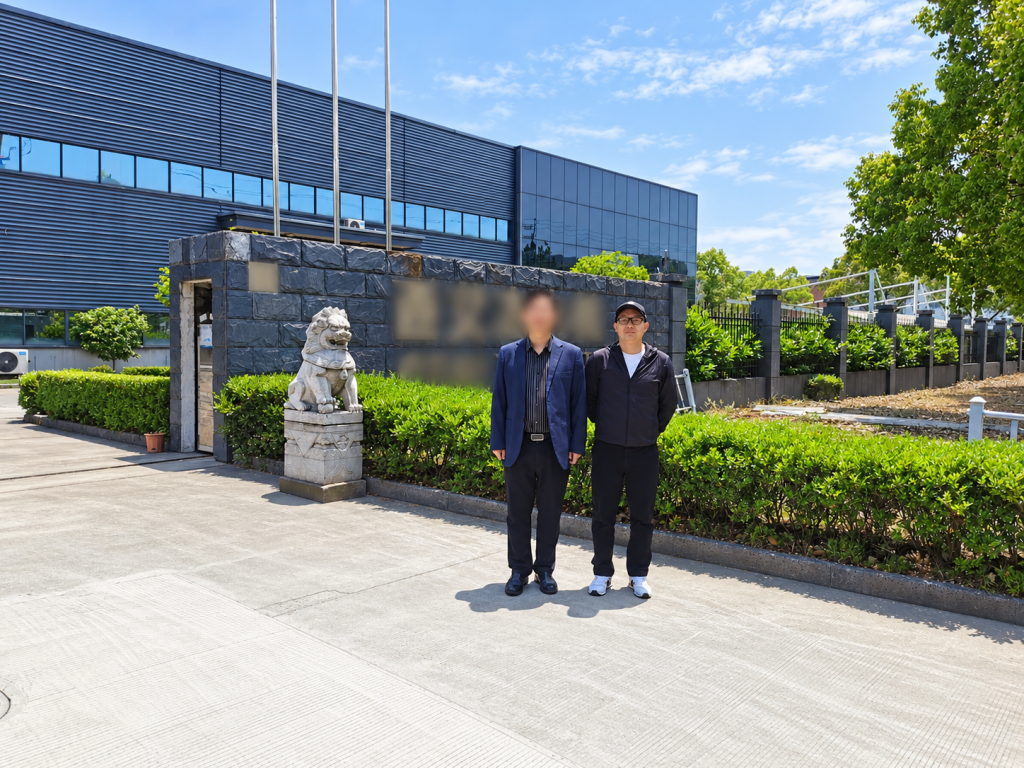
2024 PP Woven Bag Factory in Linyi
Woven bags are another product where an apparently simple description can hide many variables. The buyer may need to confirm the material, construction, dimensions, printing, sewing, performance requirements and packing. The visit also reflects an important reality of sourcing work: experience grows by repeatedly seeing how different factories interpret specifications and prepare orders for shipment.

What Years of Factory Visits Have Taught Me
A Product Name Is Only the Starting Point
Customers often begin with a product name, photograph, sample or link. That is enough to start a conversation, but rarely enough to obtain a reliable final quotation. The sourcing process must translate the initial request into materials, dimensions, functions, tolerances, accessories, packaging, compliance needs and commercial terms that suppliers can understand in the same way.
The Lowest Quotation Is Not Always the Same Offer
A lower price may reflect a different specification, a different quality level, missing accessories, weaker packing or a different understanding of the requirement. Supplier comparison is most useful when those differences are made visible. The purpose is not to make every factory quote the same number, but to understand what is included in each proposal.
A Visit Is Valuable but It Has Limits
A visit provides direct observations from a particular day. It does not guarantee future production quality, delivery performance or compliance. Depending on the project, the buyer may still need a structured factory assessment, sample approval, production follow-up, pre-shipment inspection or loading supervision. The scope should match the risk and importance of the order.
Supplier Confidentiality Matters
The photographs in this article have been anonymised because supplier relationships, customer projects and commercial information should be handled carefully. Sharing experience does not require publishing factory identities, customer names, order values or confidential specifications. The useful part of a case is the sourcing lesson, not the disclosure of another company’s private information.
Supplier Selection Is Not the End of the Work
Many order problems occur after a supplier has been chosen. Specifications can be misunderstood, approvals can be delayed, materials can change and shipment arrangements can become urgent. For that reason, sourcing support may continue through samples, order communication, production follow-up, inspection, consolidation and delivery coordination.
How This Experience Supports Buyers Today
PLUMWHEAT supports overseas buyers who need help purchasing from China. We can coordinate the complete sourcing process or assist with selected stages, including supplier sourcing, order follow-up, quality inspection and factory assessment.
Some customers ask us to find and manage suppliers. Others already have a factory and need a reliable local partner to follow communication, production and shipment. The working scope and commercial arrangement can be agreed according to the order, industry and responsibilities involved.
Discuss Your Next Purchase from China
If you are looking for a product, comparing Chinese suppliers or need someone in China to follow an existing order, send us the product information, reference images, specifications, estimated quantity and destination. We will review the requirement and discuss which support is appropriate.