
A real project showing how six different quotations were compared, how samples were checked at our Ningbo warehouse, and how one consolidated shipment reduced duplicated freight.
Based on a project handled by PLUMWHEAT | Customer and supplier identities withheld
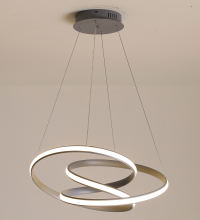
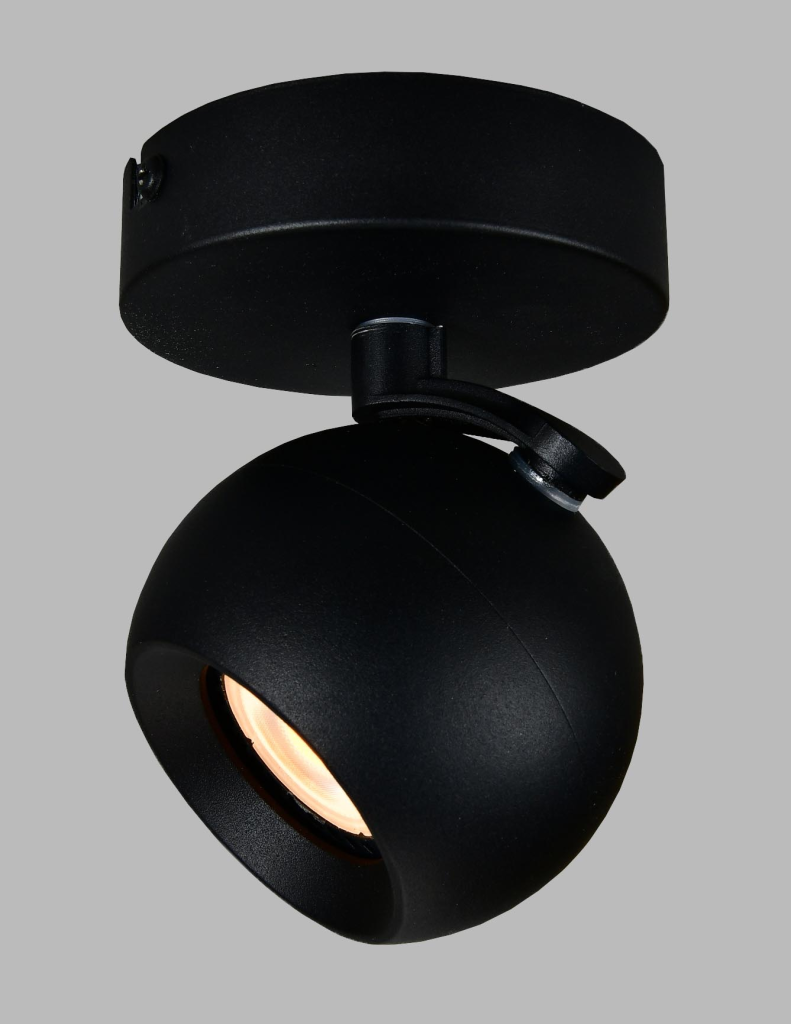
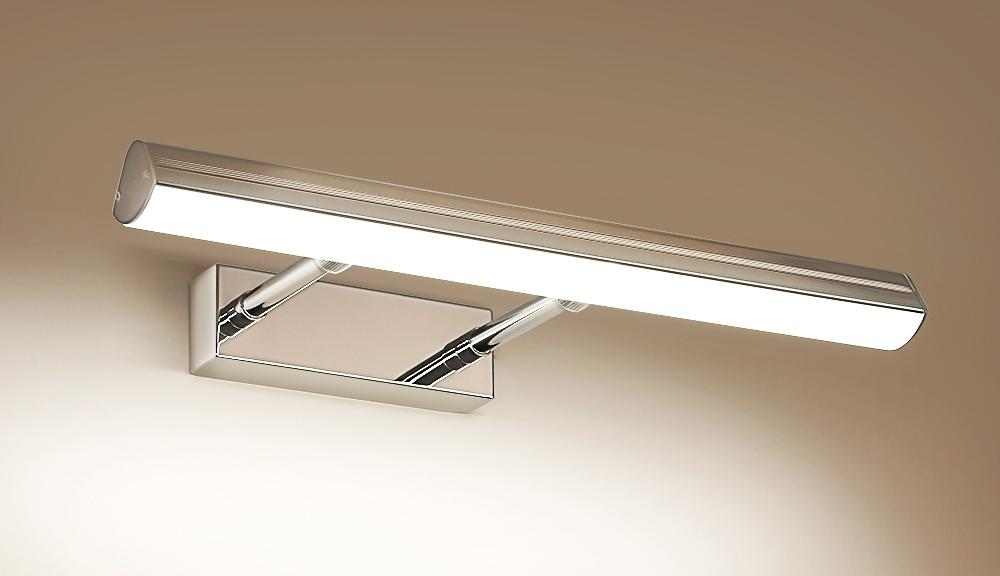
The project in brief
A buyer asked us to coordinate lighting samples from six suppliers for one project. The quotations covered different product types, specifications and commercial terms. Instead of sending each sample overseas separately, the factories delivered the samples to our warehouse in Ningbo. We received the parcels, checked the goods against the order information, carried out limited light-up testing where practical, and combined the samples into one international shipment.
This case is useful because it shows the work that sits between collecting quotations and making a purchasing decision. A low unit price alone does not tell a buyer whether two lighting products are technically comparable, whether a sample quotation reflects future bulk terms, or whether six separate sample parcels can be handled more efficiently.
| Project element | What was involved |
| Suppliers | Six lighting suppliers using different quotation formats |
| Products | Pendant lights, spotlights, track lights, mirror lights and wall lights |
| Receiving point | PLUMWHEAT warehouse in Ningbo, China |
| Checks | Appearance, colour, model, dimensions and selected functional tests |
| Shipping | Multiple domestic parcels consolidated into one international shipment |
| Final result | Samples were delivered; the buyer did not proceed to a bulk order |
Why six lighting quotations cannot be compared by price alone
The quotations were not six offers for one identical item. They represented different lighting designs and used different levels of technical detail. Some listed integrated LED modules, while others referred to GU10 or E27 lamp holders. Bulbs were not always included. Materials ranged from aluminium and iron to stainless steel, silicone, polycarbonate, glass, PVC and wood. The documents also varied in how they described wattage, voltage, colour temperature, dimming, dimensions, packing and certification.
For a buyer, this means the first task is normalization: put the important fields into one comparison structure, identify what is missing, and ask follow-up questions before treating two prices as alternatives.


The technical questions we would normalize
| Field | Why it matters |
| Light source | Integrated LED, replaceable bulb, lamp holder type, driver and whether the bulb is included |
| Electrical data | Wattage, input voltage, frequency, plug or wiring requirement and dimming method |
| Light performance | Colour temperature, lumen output, CRI and beam angle where relevant |
| Construction | Body material, diffuser material, finish, colour and mounting method |
| Dimensions | Fixture size, canopy size, suspension length and tolerances |
| Environment | IP rating and intended indoor or outdoor use |
| Compliance | Which certificate applies to the complete product and which applies only to a component |
| Packing | Individual packing, master carton, gross weight and CBM |
Commercial terms also need normalization
The files included EXW quotations, sample quantities, bulk minimum order quantities, domestic delivery costs, different payment structures, different lead times and different validity periods. Those details affect the real cost and timing of a sourcing decision. A sample price may include one-off handling or setup costs and should not automatically be treated as the future bulk price.
| Commercial item | Question to confirm |
| Sample vs bulk | Is the quoted unit price for samples only? What changes at the target order quantity? |
| MOQ | Does the MOQ apply per model, colour, wattage or total order? |
| Lead time | Is the stated time for samples, production or both? When does the clock start? |
| Payment | What deposit and balance terms apply to the intended order value? |
| Validity | How long will the supplier hold the price and material assumptions? |
| Domestic logistics | Is delivery to the consolidation warehouse included or charged separately? |
| Packing and volume | Are carton measurements based on samples or confirmed bulk packing? |
A small formula error can distort the comparison
One quotation contained a calculation that appeared to multiply a line item quantity more than once. This is exactly why totals should be recalculated independently instead of relying only on the final figure displayed by a supplier. The purpose is not to assume bad intent; spreadsheet templates are often copied and edited, and formulas can remain from a previous quotation.
- Recalculate each line total from quantity and unit price.
- Check that freight, packing, sample charges and bank fees are not counted twice.
- Confirm the quotation currency and Incoterm.
- Compare the corrected landed sample cost, not only the product subtotal.
Receiving the samples at our Ningbo warehouse
The six factories sent their samples domestically to our warehouse. On arrival, we opened the packages and checked the products against the available order and quotation information. The practical scope included confirming the model and quantity, comparing the visible colour and finish, looking for obvious appearance issues, and measuring key dimensions where applicable.
Receiving samples through one local point also creates an opportunity to identify a wrong model, unexpected colour or missing item before the buyer pays for multiple international parcels.
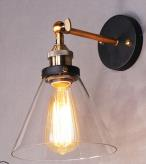
An example wall light from the project. Product images are shown without supplier or customer identification.
Why we did not light-test every unit
A visual receiving check is not the same as a full electrical inspection or laboratory test. Some samples were not fitted with a direct plug and required safe wiring to a suitable power source. Some fittings were supplied without a bulb. We therefore selected several items for light-up testing where the connection method and required accessories made the test practical.
For future projects, the testing scope should be agreed before samples arrive. If a buyer needs every item energized, photometric measurements, endurance testing or certification verification, the required fixtures, bulbs, drivers, voltage conditions and test method should be specified in advance.
Consolidating six suppliers into one shipment
Once the receiving checks were completed, the samples were combined and shipped together. Consolidation can reduce repeated international courier charges, but it should be planned carefully. Domestic delivery to the consolidation point, repacking labour, protective material, final carton dimensions and chargeable weight all affect the actual saving.
| Stage | Practical control |
| 1 Supplier dispatch | Give every supplier the same warehouse address and a clear parcel reference. |
| 2 Warehouse receipt | Record which parcel arrived, photograph the exterior and match it to the expected supplier. |
| 3 Product check | Verify model, quantity, colour, appearance and key dimensions against the available records. |
| 4 Selected testing | Carry out agreed functional checks only where safe, practical and supported by the required accessories. |
| 5 Repacking | Protect fragile surfaces, separate metal parts and secure components that may move in transit. |
| 6 Consolidated dispatch | Confirm final carton count, dimensions, chargeable weight and shipping documents. |
What happened after the samples were delivered
The buyer did not proceed to a bulk order and did not provide a specific reason. We do not speculate about the decision, and we do not present this as a completed bulk purchase. The agreed coordination work was nevertheless completed: quotations and order details were handled, samples from multiple suppliers were received and checked, and the goods were consolidated into one international shipment.
Sample projects do not always convert into production orders. For the buyer, the value is still real when the process makes products easier to compare, identifies questions before a larger commitment, and reduces unnecessary shipping duplication.
How PLUMWHEAT can support a similar project
A buyer may already have suppliers and need only local coordination, or may need help from the initial sourcing stage. We can support the full process or selected stages, depending on the agreed scope.
- Organize quotations from multiple factories into a consistent comparison.
- Follow sample orders and communicate with suppliers in China.
- Receive samples at our Ningbo warehouse and perform agreed receiving checks.
- Arrange selected functional testing when the required setup is available and safe.
- Consolidate samples or small shipments and coordinate international dispatch.
- Arrange more detailed quality inspection when the project requires a formal inspection scope.
Related services: China Sourcing Agent | China Order Follow-Up Service | Quality Inspection in China
Discuss your lighting sample project
Tell us which suppliers or products you are considering, what checks you need, and the destination country. We can propose a practical scope for quotation comparison, sample receiving and consolidated shipping.