In May 2018, an overseas buyer joined us through a Skype video call while we inspected downlight housings at a factory in Dongguan, China.
The buyer could select a carton remotely, ask us to show particular components and request checks during the call. We carried out the physical inspection on site, with factory staff helping retrieve the cartons selected by the buyer.
This approach allowed the buyer to participate directly in the inspection and discuss questions while the actual goods were in front of us.
An Inspection Before the Whole Order Was Ready
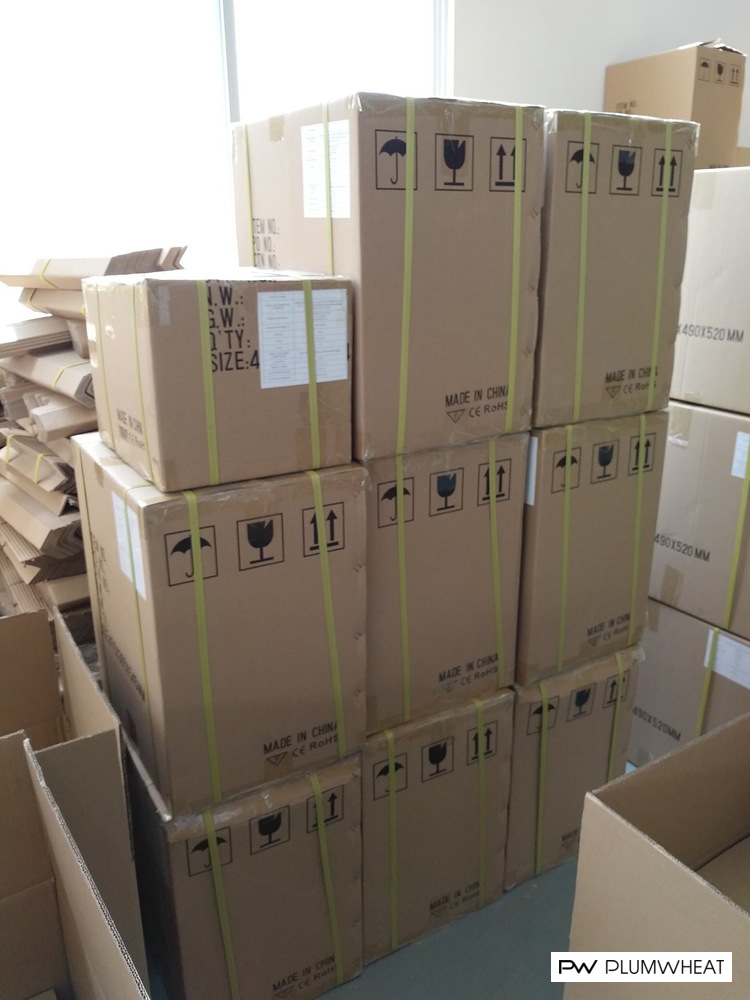
The full order was still being completed when the buyer requested the factory visit. At the time of inspection, four variants had been completed in their respective quantities, so our inspection covered those four variants.
Together, they accounted for 1,500 pieces packed in 64 cartons. The report recorded 25 randomly selected samples checked across the four variants.
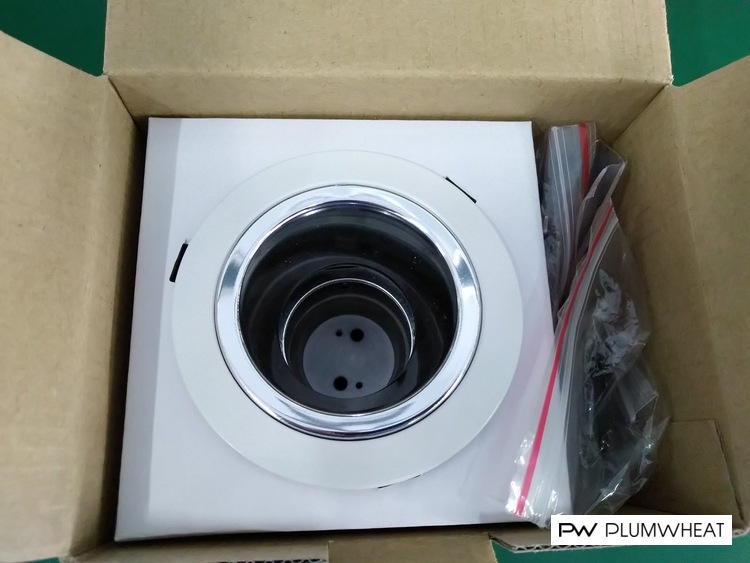
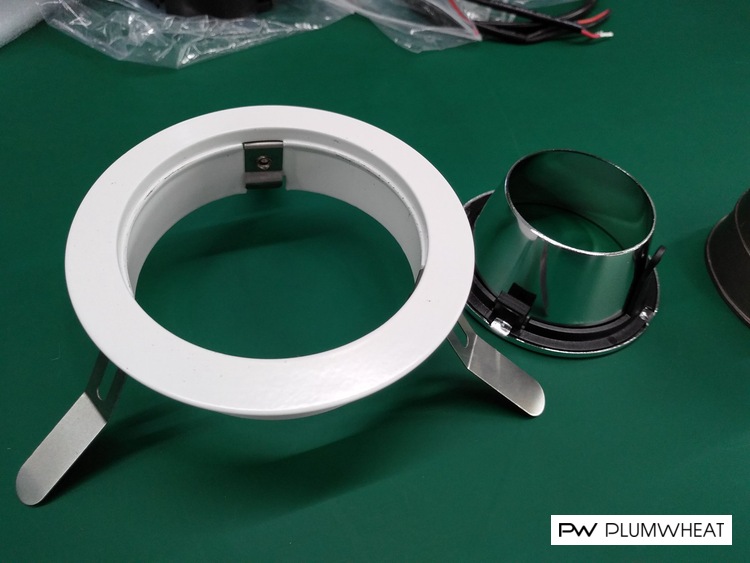
The products were downlight housings supplied without a light source. Apart from the light source, they formed the complete product supplied for this order, including the housing and associated components.
The inspection therefore focused on the supplied parts, appearance, assembly, mechanical operation and packaging.
The Buyer Selected the Cartons During the Call
When the buyer identified a carton to inspect, we asked factory staff to retrieve it. We then opened the carton and presented its contents through the video call.
The buyer could tell us which part to show and what they wanted checked. We handled the product locally and displayed the requested details on camera.
This gave the buyer a way to follow the inspection as it happened. Questions about a component or its operation could be raised immediately, while we had access to both the goods and the factory staff.
A Written Checklist Guided the Inspection
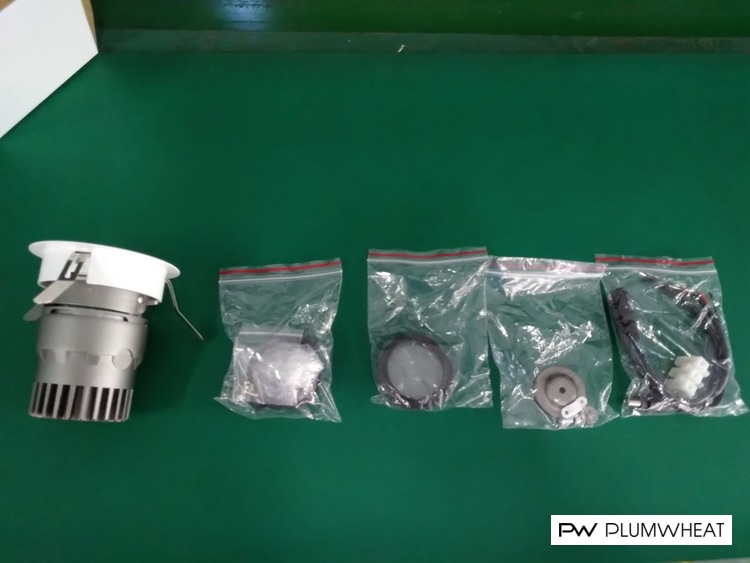
The buyer had provided an inspection checklist with reference photographs before the visit. It covered carton quantities, box contents, component identification, assembly, surface finish, packaging and markings.
The checklist also divided responsibilities. Some quantity checks were assigned to PLUMWHEAT, while many component and packaging checks were intended to be carried out jointly with the buyer through Skype.
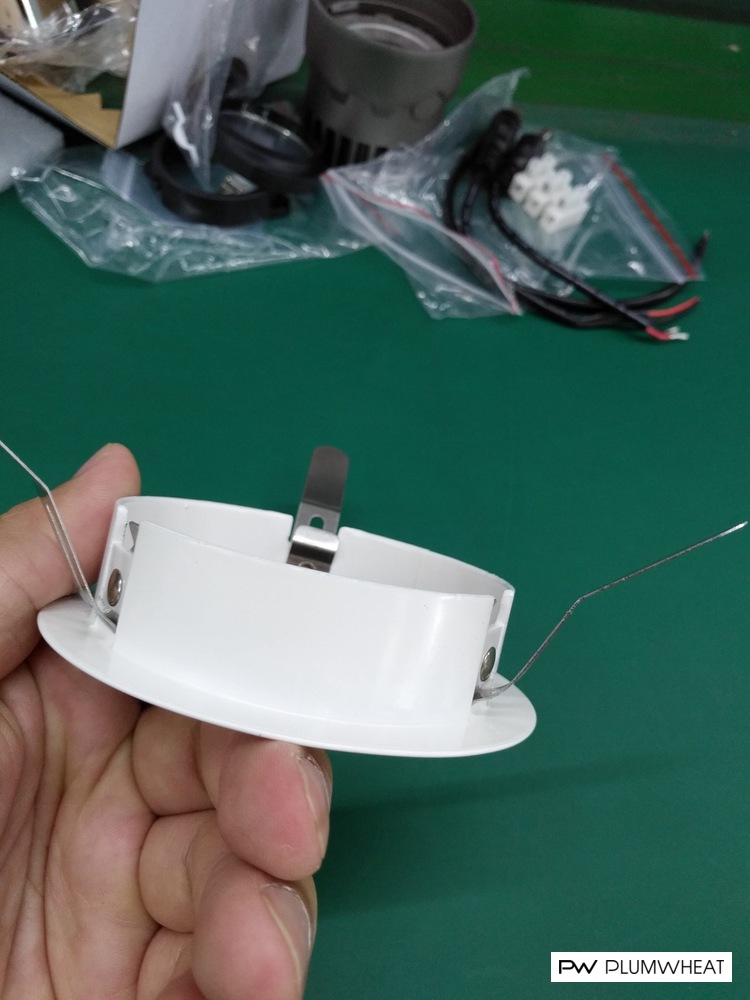
The reference material included the housing, heat sink, cover, wiring and connectors, movable joint, mounting frame, reflector, lens and retaining parts.
Having these references helped keep the live session focused. We could show the actual components while the buyer compared them with the expected configuration and requested closer views where needed.
A Question About the Adjustment Mechanism
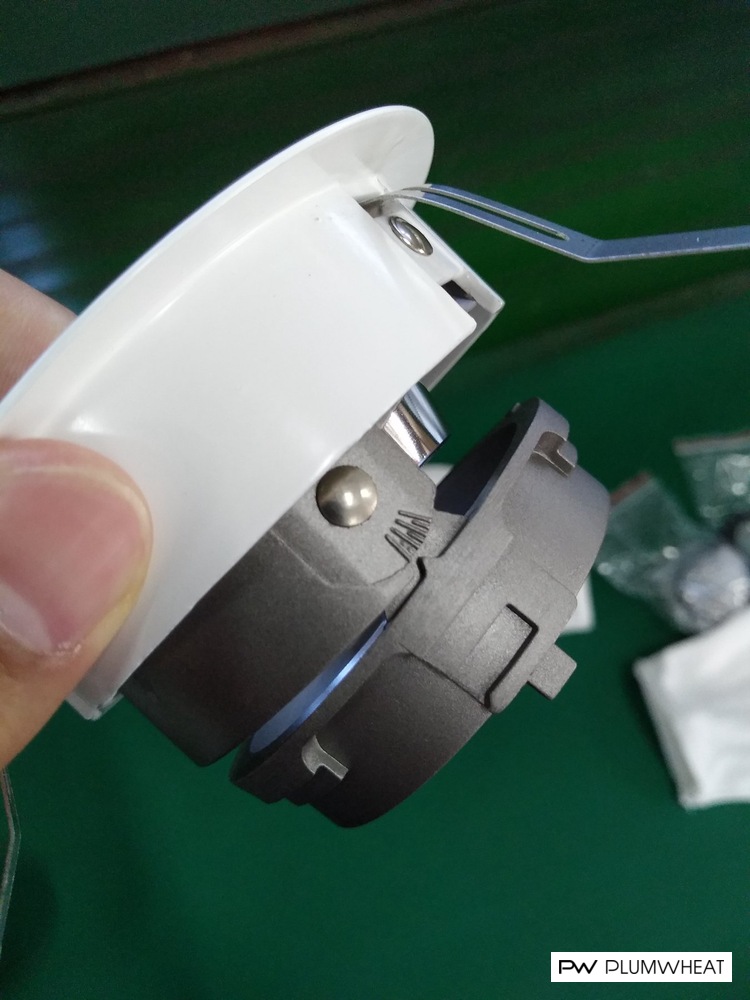
During the inspection, the buyer wanted to see the angle adjustment.
The mechanism was fixed by a screw. The angle could only be changed after removing that screw. The factory stated that the buyer had ordered the products with this screw fitted.
We recorded the observation and the factory’s explanation in the inspection report.
This was a useful example of a question that emerged through live participation. Seeing the product’s appearance was only part of the check; the buyer also wanted to understand how the mechanism behaved when operated.
A Difference Between Earlier Samples and the Goods Presented
Another question concerned the glass components.
The report recorded that the smaller size had glass, while the 125 and 150 sizes presented during the visit did not. The buyer indicated that the earlier samples they had received included glass.
The factory explained that glass had been included in earlier versions of the larger sizes but had subsequently been removed. It also stated that it would explain the matter directly to the buyer.
We documented the difference and the explanation. The reference to the 150 size in this finding does not mean it formed part of the four completed variants covered by the quantity table.
Whether the supplied configuration was acceptable required clarification between the buyer and the factory.
A Scratched Reflector Was Replaced on Site
Among the samples checked, we found one reflector with a scratch.
We asked the factory to replace it, and the replacement was made during the inspection. This action was recorded in the report.
The case therefore included both a defect corrected on site and configuration questions that required a separate decision by the buyer.
Reporting the Findings and Completing Our Assignment
The inspection report was marked Pending.
We submitted the findings to the buyer, including the adjustment mechanism, glass configuration difference and reflector replacement. The buyer then communicated directly with the factory about the outstanding questions.
Our assignment ended after completing the inspection and submitting the results. The buyer did not request further assistance. We do not have confirmation of any later changes, commercial settlement or shipment outcome.
For this project, our role was to carry out the requested checks and provide a clear record so the buyer could decide what to do next.
Can You Join an Inspection Remotely?
PLUMWHEAT can support live video participation as part of an agreed on-site inspection.
You can discuss the inspection priorities with us in advance and arrange a session in which you ask questions, request closer views and observe selected checks while we handle the goods locally.
The scope, timing, factory cooperation and internet connection need to be arranged beforehand. Measurements, physical handling and detailed photographs are carried out on site according to the agreed requirements.
Whether you need an inspection alone or additional sourcing and supplier coordination, we can support the stages your project requires.
Contact Harry Lee to discuss your inspection requirements.
Sourcing. Quality. Delivered.