
Travellers are arriving in China with space in their suitcases and leaving with products they discovered in shops, markets, trade fairs and everyday life. Electronics, household goods, toys, sports products, furniture and other items appear in China Haul videos because they may offer an attractive combination of design, function, choice and value.
For an importer, retailer or online seller, this trend raises a practical question: if people want these products, could you source them in China and sell them commercially in your own market?
Sometimes the answer is yes. But a product that works as a suitcase purchase is not automatically ready for commercial import. The opportunity begins with product discovery; the real work is turning that discovery into a repeatable, compliant and controllable supply arrangement.

What the China Haul Trend Reveals
China Haul content is useful because it shows what catches the attention of overseas visitors. A product may be difficult to find at home, priced much higher there, or offer a function or design that feels new to the buyer.
That attention can be an early market signal, but it is not yet proof of a viable import business. Before buying in volume, a commercial buyer still needs to understand demand, landed cost, supplier reliability, product consistency, intellectual-property risk and the rules of the destination market.
The right way to use the trend is not to fill more suitcases for resale. It is to treat the products people discover as potential leads, then evaluate them through a proper sourcing and import process.
A Suitcase Purchase and a Commercial Import Are Different
| Travel purchase | Commercial import |
| One or a few units | Hundreds or thousands of consistent units |
| Chosen mainly by appearance and personal experience | Defined by materials, dimensions, functions and quality requirements |
| Original retail packaging may be acceptable | Export packaging, labels, barcodes and private branding may be required |
| Carried as personal luggage | Shipped and declared through the appropriate commercial import route |
| A single good item may be enough | Production quality must remain consistent across the shipment |
| Limited product documentation may be needed | Compliance documents and tests may be required for the destination market |
A low shop price also cannot be compared directly with a factory quotation. Commercial sourcing may involve minimum order quantities, custom packaging, testing, inland transport, international freight, duties, warehousing and quality-control costs. The useful question is not simply whether the product is cheap in China, but whether the complete landed proposition works in the target market.
You Can Start with a Photo, Video, Link or Sample
A buyer does not always need a complete specification at the beginning. A clear photo, a short video, an online listing, packaging information or a physical sample can be enough to start identifying the product and the relevant supplier base.
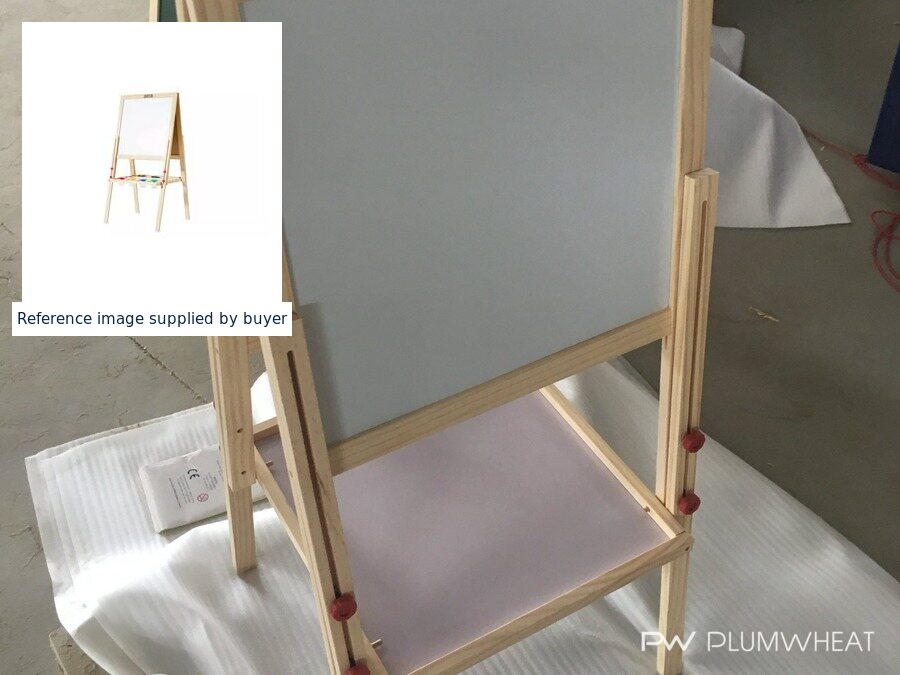
In a 2019 project, a customer sent us an online reference image of a children’s easel. We used that image to identify the product and located the same design in China. The reference gave us the starting point, while the actual product still had to be reviewed at the supplier before it could become a commercial option.
The more information a buyer can provide, the faster the search normally becomes. Useful starting information includes the intended use, required quantity, destination country, preferred materials, important dimensions, target price range and any functions that cannot be changed.
Turn the Visual Idea into a Product Specification
A viral video or attractive product photo rarely shows enough information for a dependable quotation. Products that look almost identical may differ in material thickness, load capacity, components, finishing, electronic configuration, accessories and expected service life.
Before requesting final quotations, the visual idea should be translated into a practical specification. Depending on the product, this may cover:
materials, dimensions, weight and construction;
functions, accessories and performance requirements;
colour, surface finish, logo and packaging;
acceptable quality level and inspection points;
required certificates, reports or destination-market information;
order quantity, target delivery time and shipping method.
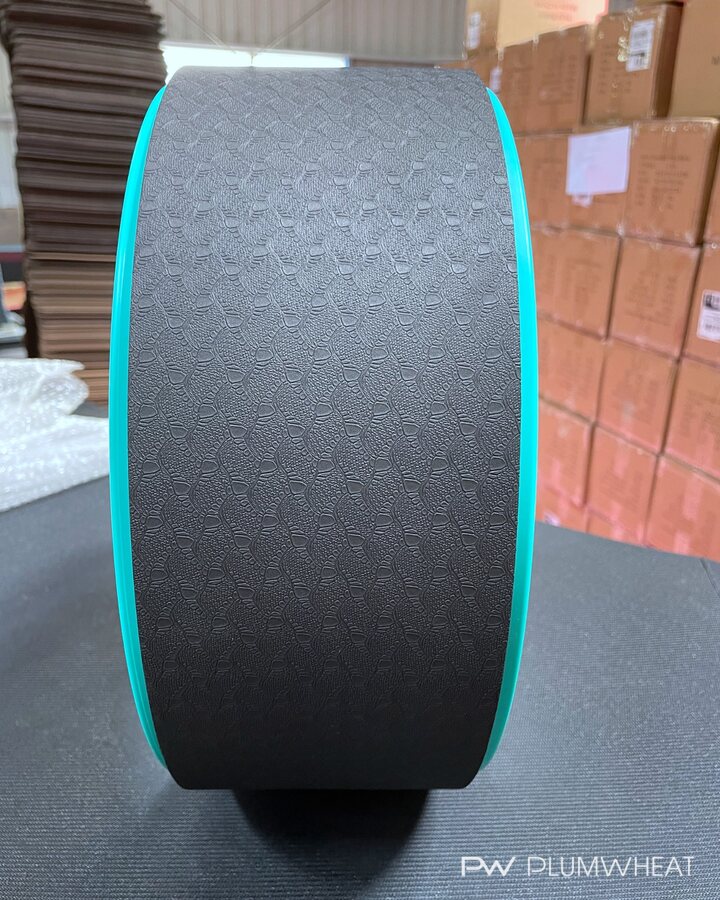
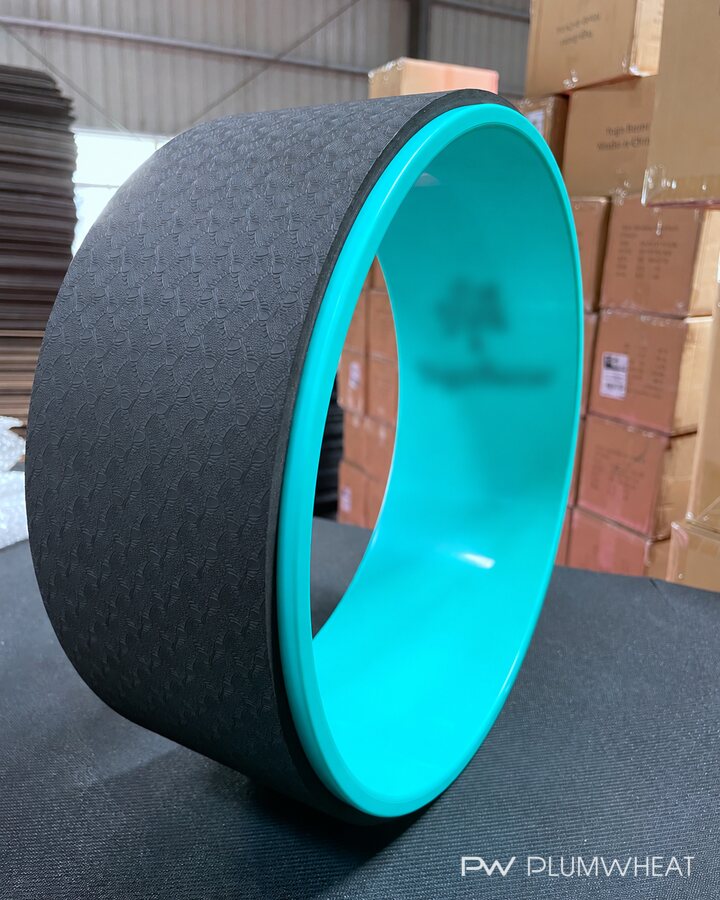
A 2021 yoga-wheel project illustrates this step. The general product category was easy to recognise, but commercial confirmation also covered the textured contact surface, colour and private-label placement. These details are part of the product the buyer will eventually sell, not minor decoration.
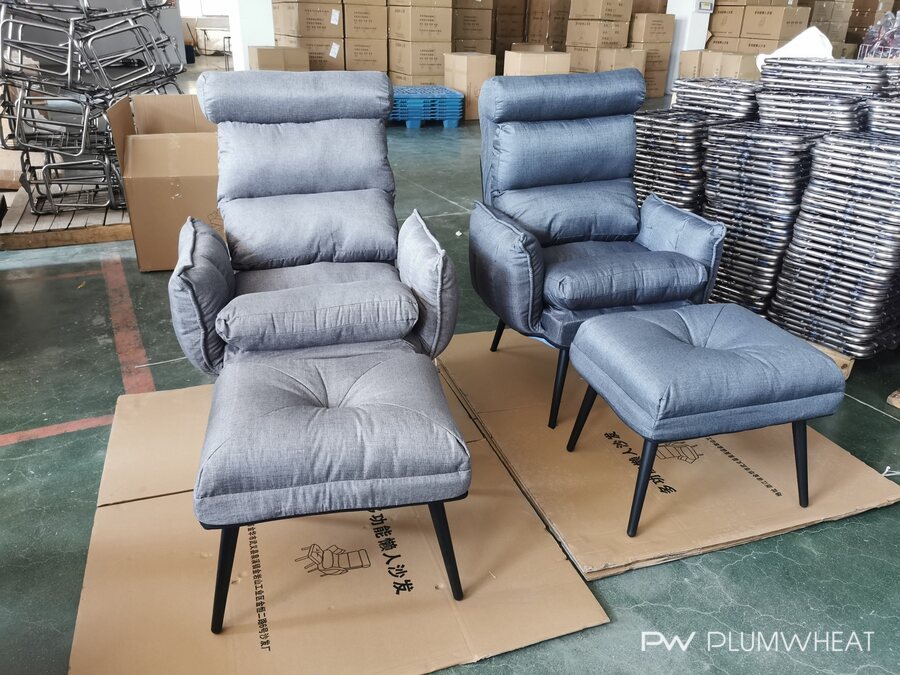
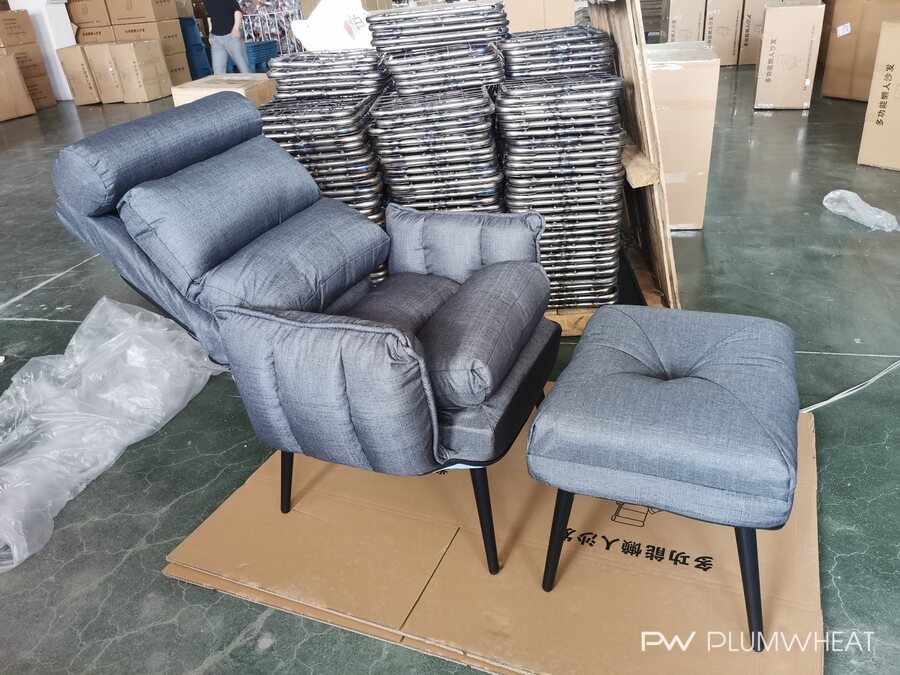
The same principle applies to furniture. In a 2023 leisure-chair project, different configurations and use positions had to be compared in the factory. A photograph can attract interest, but the final choice depends on the actual structure, comfort, configuration, materials and packing method required by the buyer.
Packaging Can Decide Whether the Product Works Commercially
Some products look commercially attractive until their packing volume is calculated. A bulky carton can increase freight and warehousing costs enough to remove the apparent price advantage. Packaging must therefore be considered while selecting the product, not only after production is finished.
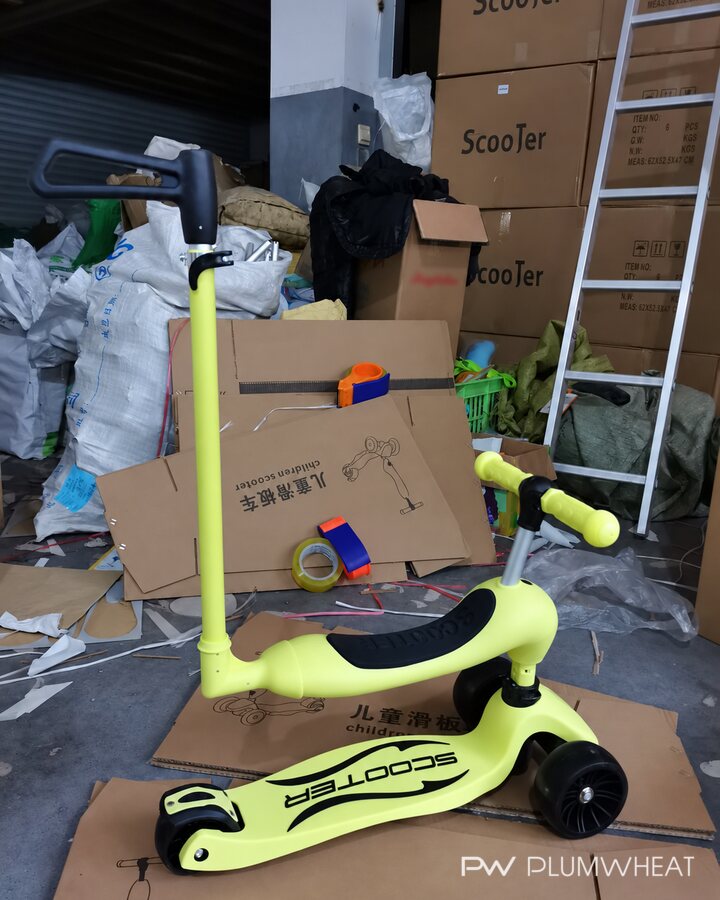
In a 2012 three-in-one children’s scooter project, we reviewed both the assembled product and the disassembled packing arrangement. The buyer needed the product itself, but the export carton also had to protect the parts and use space efficiently.
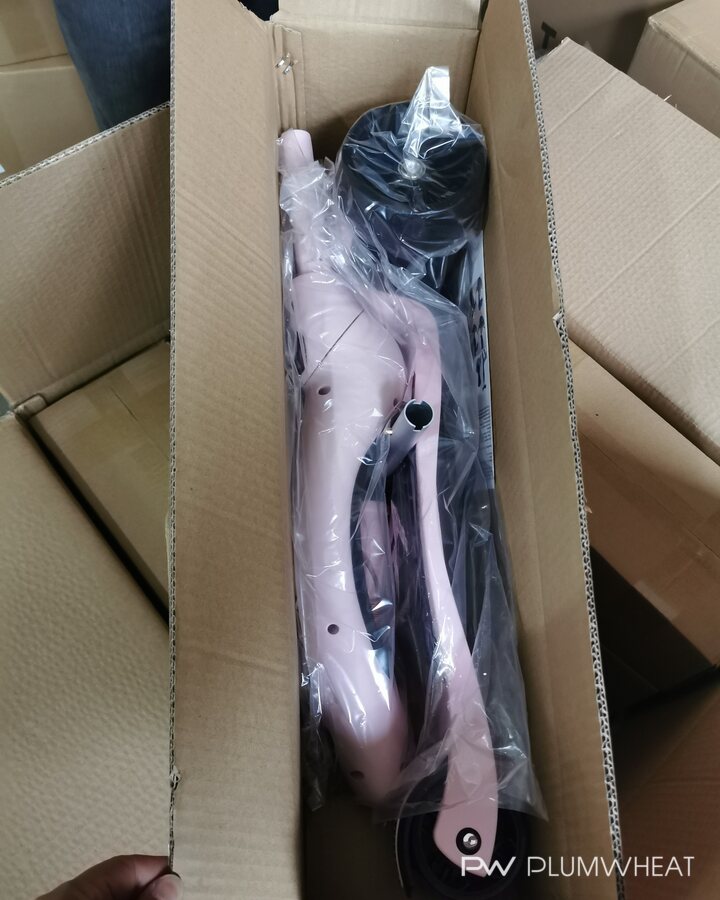
For a prospective importer, carton dimensions, units per carton, gross weight and total shipment volume belong in the commercial calculation. They help determine whether the product should move by courier, air, less-than-container load or full container.
A Practical Route from Discovery to Shipment
Record the product clearly. Save the photo, video, link, packaging information or sample that attracted your attention.
Define the intended market. State where the product will be sold, who will buy it and the expected retail position.
Set the initial commercial scope. Provide the estimated quantity, target price range, branding needs and desired delivery timing.
Identify and compare supply options. Check whether the source is a manufacturer, trading company, brand owner or retail seller, and compare suitable alternatives.
Confirm the actual product. Obtain samples where appropriate and verify important materials, dimensions, functions, workmanship and packaging.
Review compliance and intellectual-property issues. Requirements depend on the product and destination market and should be checked before a commercial order is placed.
Place and follow the order. Confirm the approved specification, packaging and commercial terms, then monitor production and supplier communication.
Inspect and ship. Check the goods against the agreed requirements, consolidate shipments where useful and coordinate with the buyer or the buyer’s nominated forwarder.
How PLUMWHEAT Can Help
Ningbo Plumwheat Import & Export Co., Ltd. supports overseas buyers who discover products in China but need help turning them into workable commercial purchases. A project can begin with only a product name, photograph, video, link or sample.
Depending on the buyer’s requirements, we can assist with supplier sourcing, quotation comparison, sample coordination, factory communication, order follow-up, quality inspection, consolidation and shipment coordination. Buyers may use the complete process or select only the services they need.
Related experience: China sourcing agent service | lighting sample consolidation | multi-supplier leisure-chair sourcing | China order follow-up service
Start with One Product
If you discover a product during a trip to China or in a China Haul video, you do not need to begin with a full container. Begin by checking whether the product can be sourced consistently, imported properly and sold at a workable landed cost.
Send PLUMWHEAT the photo, video, link or sample, together with the approximate quantity and destination market. We can help determine what information is still missing and what the next sourcing step should be.
Discuss your sourcing requirements: