A real quality control case covering eight compact electric cargo vehicles
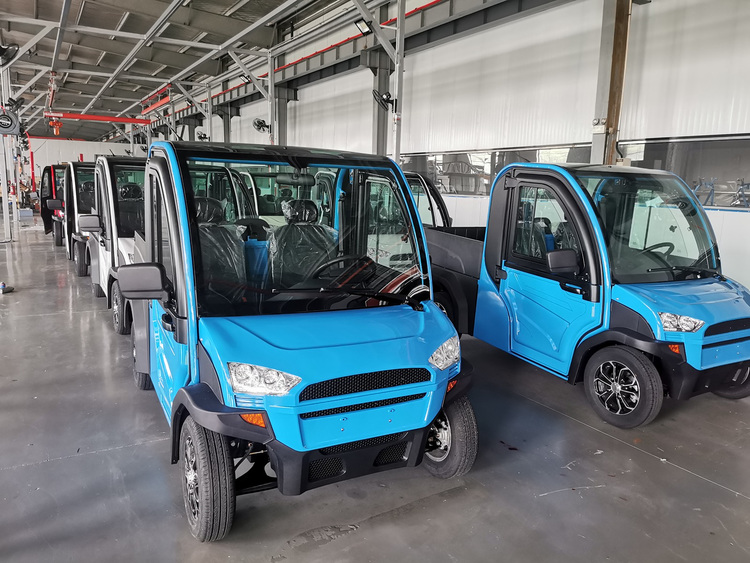
Before eight electric vans left a Chinese supplier for an overseas buyer, we carried out a pre-shipment inspection at the production site. Every vehicle received an appearance and assembly check, while three randomly selected units were road-tested. The inspection identified minor paint-finish imperfections and some surface dirt, but no functional problem that prevented shipment. The dirt was dealt with on site, the buyer accepted the minor paint issues, and the vehicles were shipped normally.
Inspection Case Overview
| Inspection item | Case details |
| Product | Compact electric cargo vehicle, referred to by the buyer as an electric van |
| Order quantity | Eight units: two blue, four white and two red |
| Visual coverage | All eight vehicles |
| Road-test sample | Three randomly selected vehicles |
| Functions checked | Road operation, lights, horn and basic operating controls |
| Main findings | Minor paint-finish imperfections and removable surface dirt |
| Final outcome | Shipment proceeded after on-site cleaning and the buyer’s acceptance of the minor paint-finish imperfections. |
Why This Inspection Needed More Than Product Photos
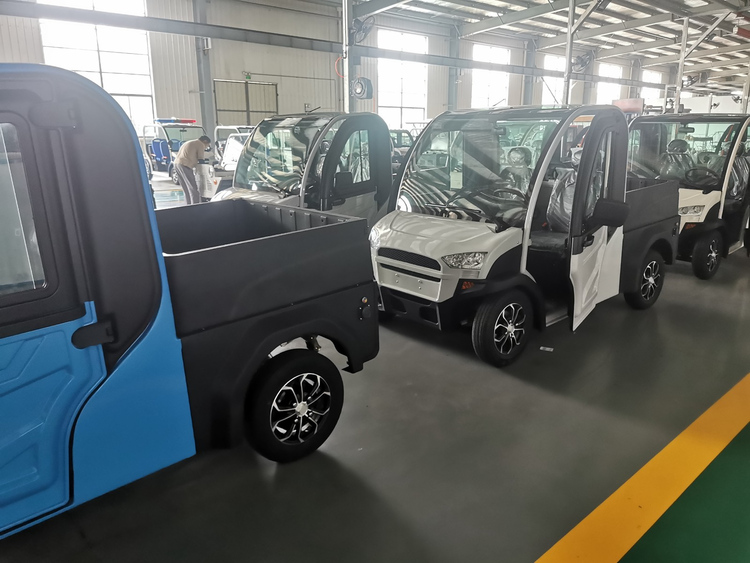
An electric van combines a painted body, doors, glazing, lighting, a cargo bed, wheels, suspension, batteries, electrical connections and driving controls. A supplier can provide attractive sales photographs, but those images do not show the condition of every unit in the finished order. They also do not confirm whether the vehicle operates normally before shipment.
For this order, the purpose of the inspection was practical: compare the finished vehicles with the agreed order, examine each unit for visible defects, review key components and test a random sample under operation. This was a product and shipment-readiness inspection, not a vehicle homologation assessment or a substitute for the buyer’s import and road-use compliance checks.
Reviewing the Supplier and Production Environment
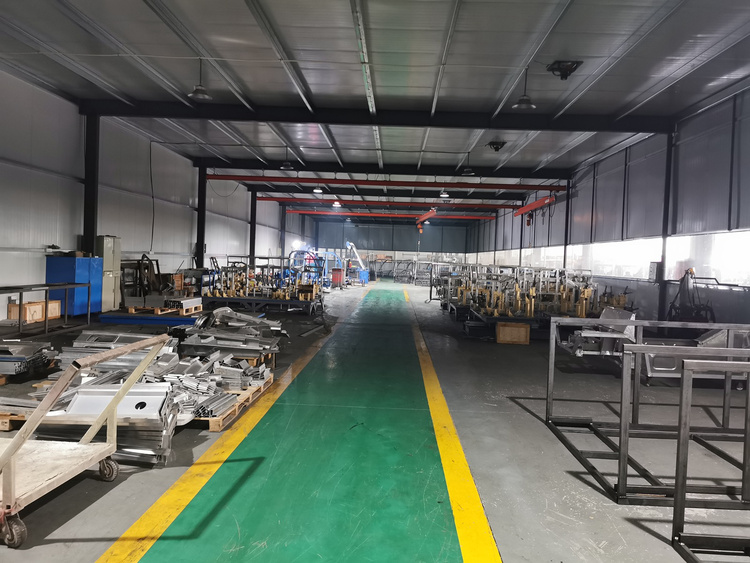
The visit included a review of the supplier’s company documents and the CE-related documents made available for the product. We also walked through the production, storage and testing areas to see where vehicles and components were assembled and checked.
Document availability is only one part of due diligence. A pre-shipment inspection can record which documents were presented and whether obvious information appears consistent, but it does not by itself certify regulatory compliance. Buyers should separately confirm which technical and regulatory requirements apply in the destination market.
Full Appearance and Assembly Check of All Eight Vehicles
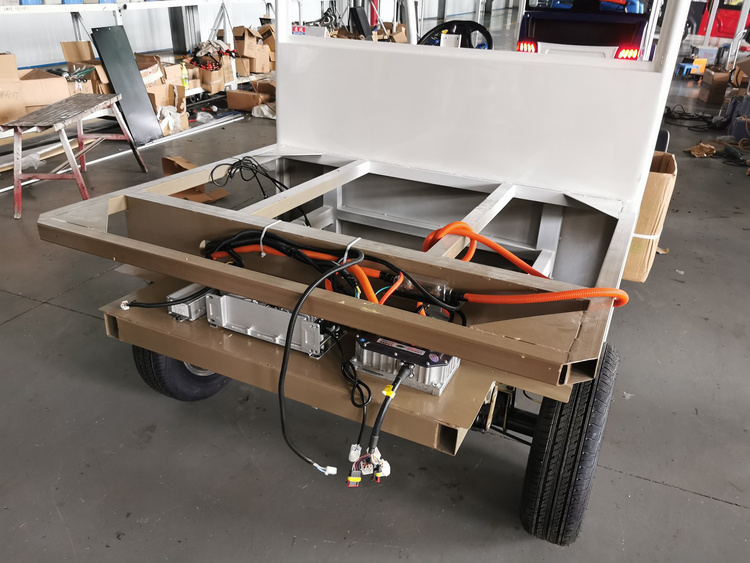
Because the order contained only eight units, we carried out an appearance and basic assembly check on every vehicle instead of relying only on a small visual sample. The inspection covered the body colour and finish, panels, doors, windows, mirrors, lamps, cargo beds, tailgates, wheels, tyres and accessible underbody components.
Cabin Controls, Seats and Doors
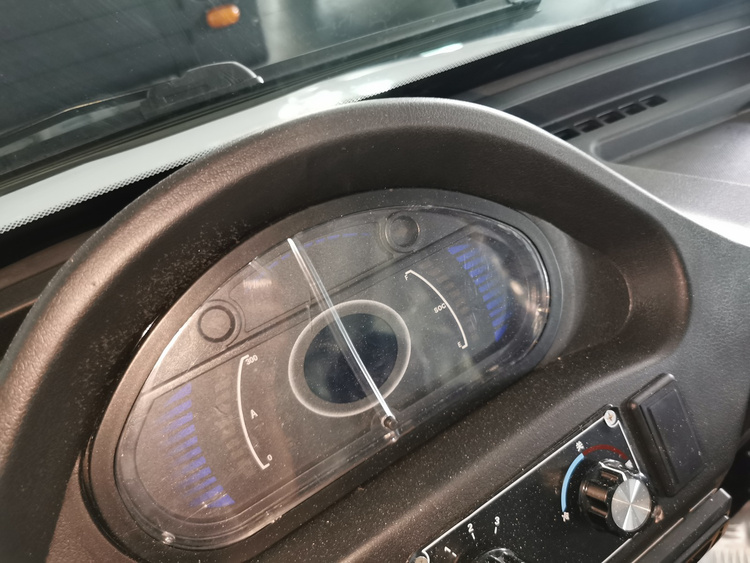
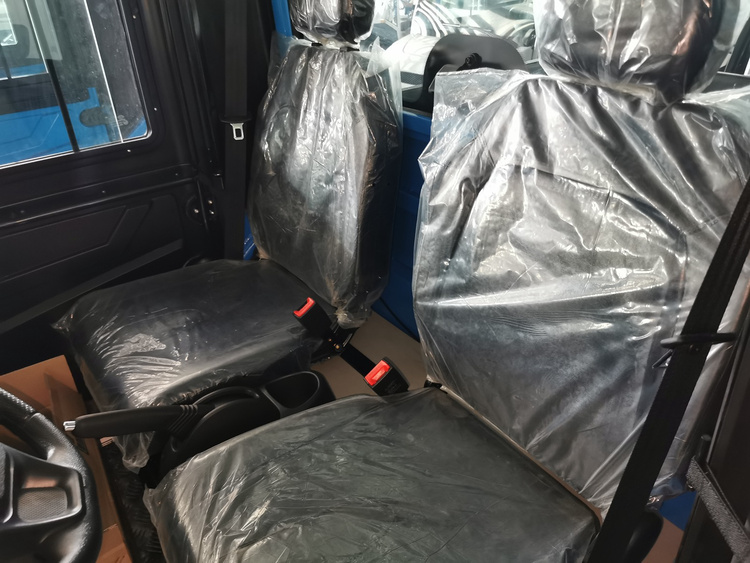
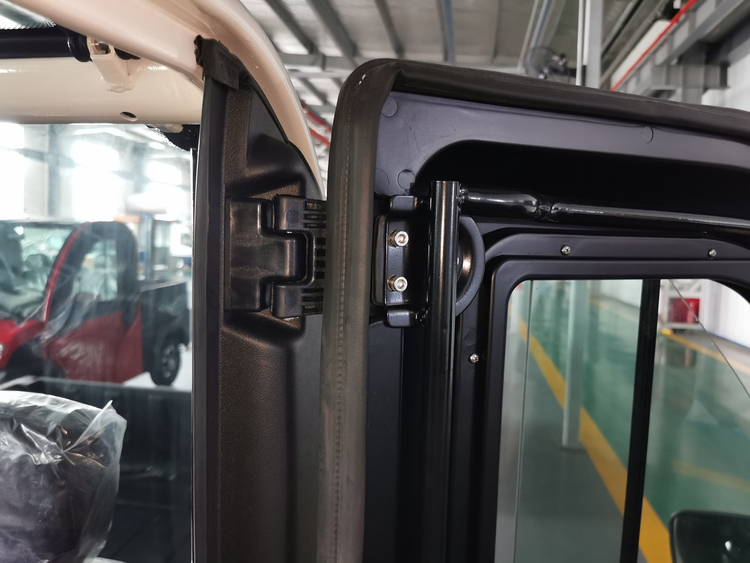
Inside the cabin, we looked at the instrument area, steering controls, seats, seat belts, handbrake and visible trim. We also checked the condition and assembly of door hinges, fasteners, frames and seals. These points matter because a vehicle can appear acceptable from a distance while still having loose hardware, poorly fitted seals or damaged interior parts.
Cargo Bed, Lights, Wheels and Underbody
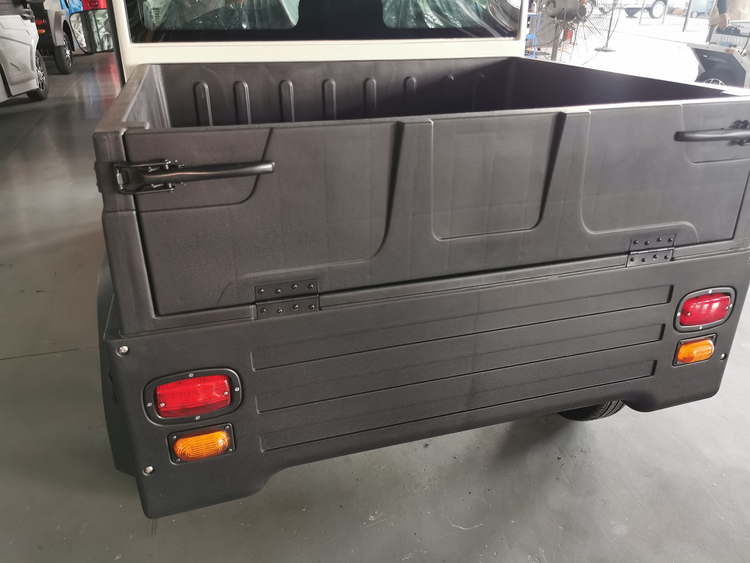
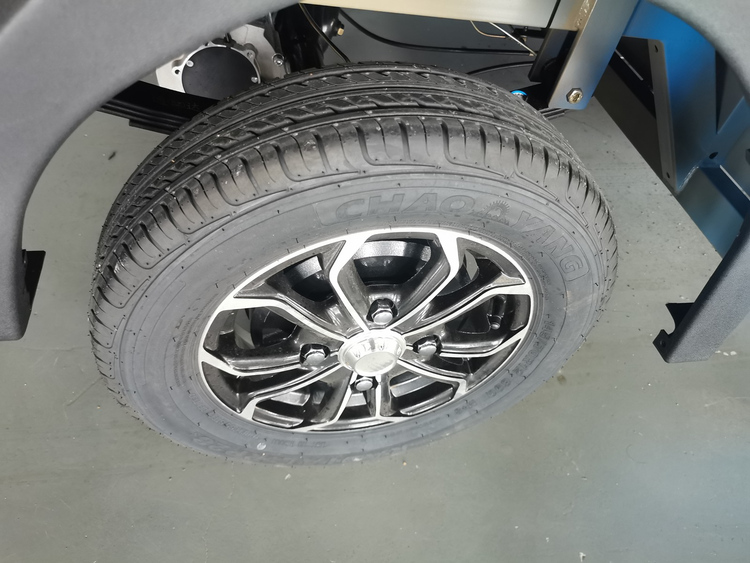
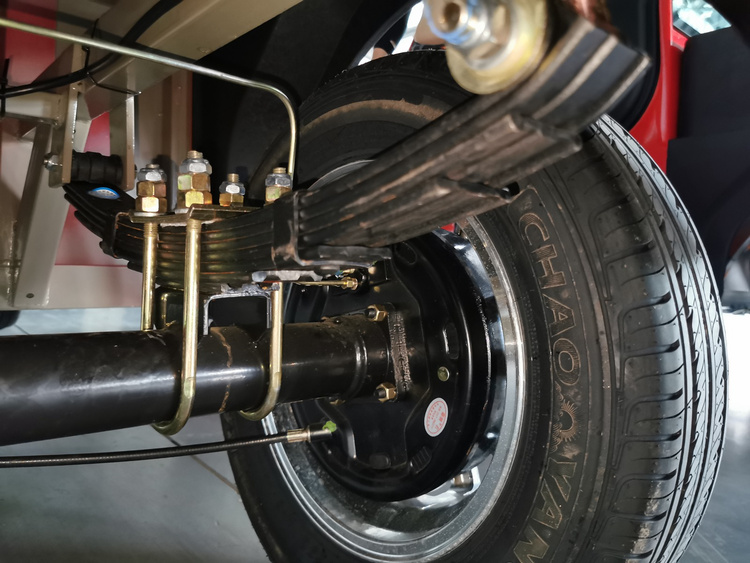
The cargo area was examined for visible damage, finish quality and the operation of the tailgate hardware. Rear light assemblies and their installation were checked visually. Tyres and wheels were reviewed for visible condition and specification markings, while accessible suspension, axle, brake and fastening points were photographed and checked for obvious assembly issues.
Battery and Electrical Component Review
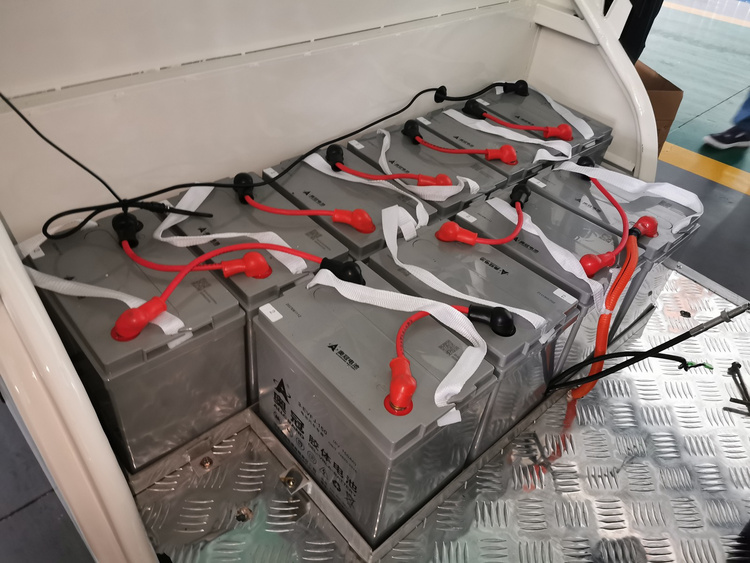
The inspection also recorded the battery installation, cable routing, terminal protection and visible component labels. For electric vehicles, this helps the buyer compare the installed components with the agreed specification and identify obvious installation concerns before shipment. This visual review did not replace laboratory testing or a full battery-performance assessment.
Random Road Tests and Function Checks
After the visual checks, three vehicles were selected at random for road testing. The sampled vehicles operated normally during the tests. Lights and horns were also tested and worked as expected. The inspection records included videos of the road tests, instrument operation and lighting checks.
Testing a random sample is useful, but the appropriate sample depends on the product, order quantity, buyer requirements and risk. If a buyer requires every vehicle to undergo a witnessed road test or a defined performance test, that requirement should be agreed before the inspection.
Minor Findings and On-Site Handling
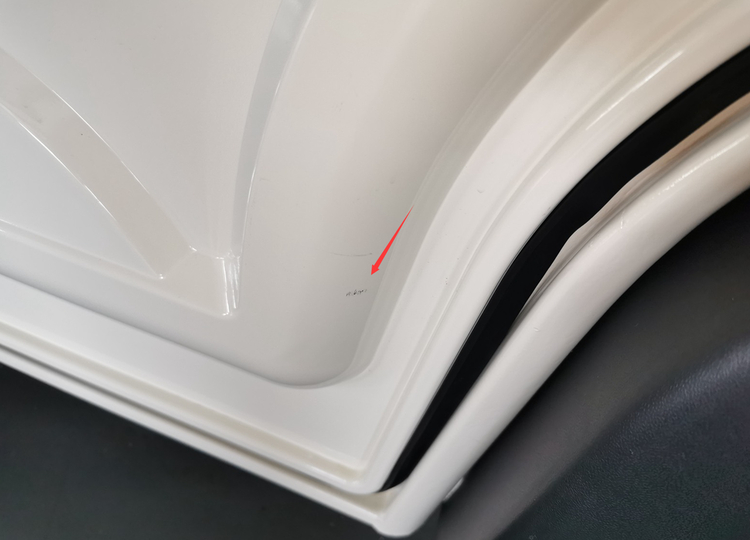
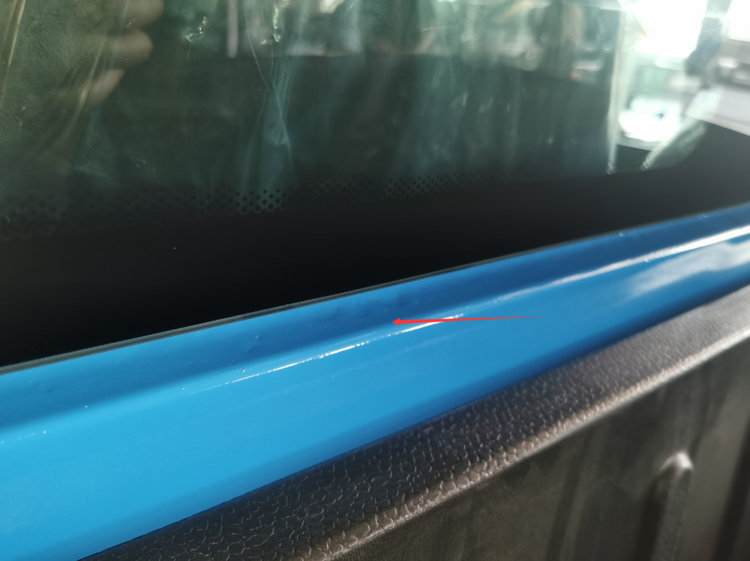
The inspection did not find damage or a functional defect that prevented shipment. Two types of minor appearance issues were recorded. Some areas had surface dirt, which the supplier cleaned during the inspection. A small number of locations also showed minor paint-finish imperfections. These were reported to the buyer, who considered them acceptable.
A passed inspection does not necessarily mean that every item is cosmetically perfect. It means the findings were documented, assessed against the agreed requirements and handled according to the buyer’s decision. Separating correctable dirt from an accepted paint imperfection gave the buyer a clearer basis for releasing the shipment.
What This Case Shows About Vehicle Inspection
For overseas buyers, the value of an independent pre-shipment inspection is not limited to finding major defects. It also creates a dated record of the actual goods, confirms whether agreed inspection points were covered and allows simple problems to be corrected before the shipment leaves China.
- Inspect every unit when the order size and risk justify full visual coverage.
- Define which vehicles will receive operational testing and how they will be selected.
- Record component labels and visible specifications instead of relying only on the supplier’s quotation.
- Distinguish between functional defects, acceptable cosmetic variation and issues that can be corrected on site.
- Confirm destination-market compliance separately from the physical pre-shipment inspection.
Need an Inspection in China?
PLUMWHEAT provides pre-shipment inspection, production follow-up and supplier coordination for buyers sourcing from China. The inspection scope can be adapted to the product, order quantity and the checks that matter to your business. If you already have a supplier, we can work with that supplier on your behalf and report the findings before shipment.
Discuss your inspection requirements