
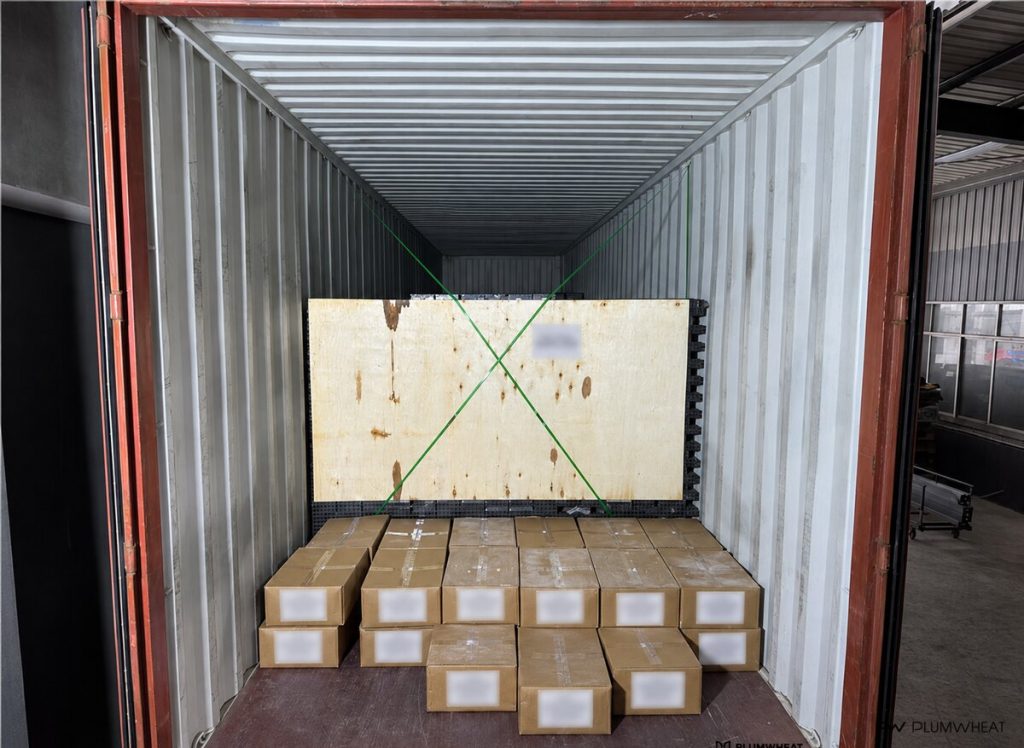
If you are importing from China to Poland or another Central or Eastern European market, compare suppliers on three things before placing an order: the exact product they are quoting, what it costs to get it to your warehouse, and what can be checked before shipment. Trade growth provides context, but it cannot answer those questions for an individual order.
What the November 2026 trade figures show
On 25 November 2026, China E-Port reported that trade between the China–Central and Eastern European Countries Economic and Trade Cooperation Demonstration Zone in Ningbo and Central and Eastern European countries reached RMB 52.29 billion from January to October 2026, up 5% year on year. That figure combines imports and exports for the demonstration zone. It is not Ningbo’s total export value or the value of Poland’s imports from China.
Compare quotes at the same delivery point
Ask each supplier to quote the same model, specification and quantity. Then request the carton dimensions, gross carton weight, units per carton and dispatch location. A lower unit price can be offset by bulkier packaging or higher inland freight. Ask your forwarder to compare costs to the same delivery point in Poland using the actual carton data, and make sure the quotes cover the same charges.
When buying from several factories, compare separate shipments with consolidation. Include delivery to the consolidation warehouse, handling charges and any wait for the last factory to finish. A combined shipment is useful only if the savings and convenience justify the additional coordination.
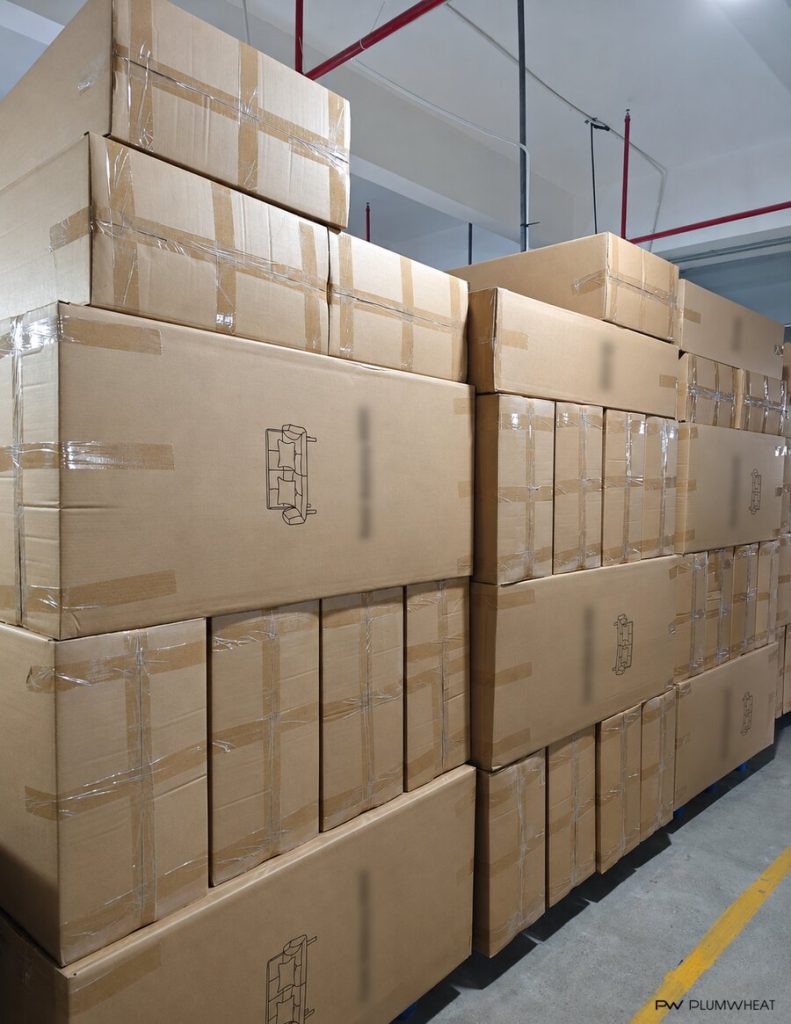
In our multi-supplier leisure chair project, we compared six factories and divided the order between two. The goods went to our Ningbo warehouse for loading into one 40-foot high-cube container. For the detachable PW801W, seats and legs went into separate cartons. The one-piece PW884 could not be disassembled, so we used shaped cartons holding four stacked chairs. The packing decision depended on the product’s construction, not just its price.
Turn the approved sample into an inspection checklist
Record the model, colour, dimensions, accessories and packing details that must match the approved sample. For chairs, for example, agree on how to check stability, assembly, hardware and visible scratches. For electrical products, confirm the model code, plug and accessories, and agree in advance on which functions can be tested on site.
If you need documentation for your market, ask for documents covering the exact model quoted. Review those separately from the physical inspection. Inspecting a production batch can show what was observed on site; it does not replace any required product testing.
Do you need a sourcing agent if you already have a supplier?
Not necessarily for the full purchase. If you already have a supplier and have agreed the price and payment terms, you can keep that arrangement and ask for local order follow-up, inspection or shipment coordination. If you are still comparing factories, start with a common specification and a sample plan.
Planning a purchase for Poland or another European market? Send PLUMWHEAT your product reference, target quantity, delivery location and any quotes you already have. We can help identify what to confirm before you commit to an order.